Water tank leak detection

Water tank leak detection

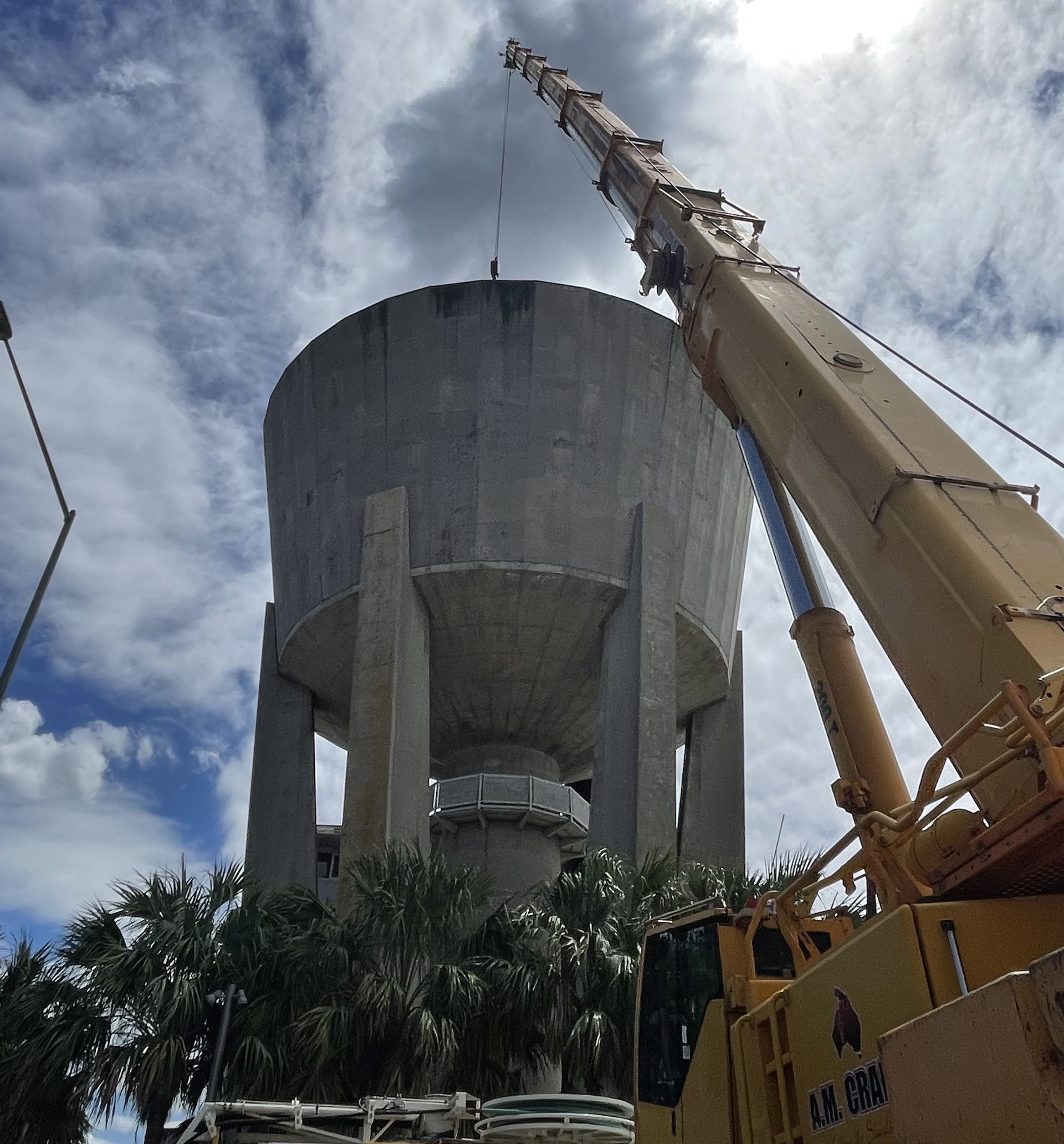
Client: Power Water Corporation


Stuart Park, McMinns, Marrara, Timber Creek, Darwin River Dam inlet


Rise invested in ROV (remote operated vehicle) underwater drones back in 2022 and were one of the first businesses to bring leak detection technology to PWC water tank inspections.


The ROV uses food-safe dye to detect leaks in water tanks by injecting coloured liquid directly onto suspected damaged areas - such as cracks, rivets or seam - and watches to see if the dye is sucked out of the tank, and/or looking for the dye to leak outside the tank.


The technique allows for precise, non-destructive, and in-service inspections without he need to empty the tank.


The high-contrast colour of the dye makes it easy to trac the flow of water, providing immediate visual confirmation of the leak location.


Rise ROV have also been used to provide visual inspections of full PWC tanks. Rise are able to provide a live feed while the ROV is in the tank so in-site PWC personnel can direct the ROV footage capture and inspection.


Rise's ROV services have been used by PWC for:

- Real-time inspections.

- Leak detection.

- Remote inspections.

- Asset condition reporting.

Thessally Resources are undertaking exploration drilling and bulk testing within the existing Huandot Pit, located approximately 85km south of Darwin.


The existing Huandot Pit contains surface water and groundwater inflows and had been sedentary.


Rise was engaged to undertake a bathymetric survey of the test pit surface water to provide Thessally with comprehensive water volume and sedimentation modelling.  


Rise used dual frequency analysis to measure both the sediment and rock bed depths to provide a comparative analysis of sediment depth variations.


The analysis used dual frequency bathmetric survey data, XYZ coordinate date and water surface level measurement using a USV (unmanned surface vehicle).


Deliverables:

-Water volume report

-Sediment report

-Interactive visual model.


Thessally Resources are undertaking exploration drilling and bulk testing within the existing Huandot Pit, located approximately 85km south of Darwin.


The existing Huandot Pit contains surface water and groundwater inflows and had been sedentary.


Rise was engaged to undertake a bathymetric survey of the test pit surface water to provide Thessally with comprehensive water volume and sedimentation modelling.  


Rise used dual frequency analysis to measure both the sediment and rock bed depths to provide a comparative analysis of sediment depth variations.


The analysis used dual frequency bathmetric survey data, XYZ coordinate date and water surface level measurement using a USV (unmanned surface vehicle).


Deliverables:

-Water volume report

-Sediment report

-Interactive visual model.


By Anna Goat April 7, 2026
USV and ROV drones for hydrological surveys
By Anna Goat April 7, 2026
Tropical tough technology
By Anna Goat April 7, 2026
Client: Sedgewick
By Anna Goat April 7, 2026
Safer, faster, accurate and more-cost effective.
By Anna Goat April 7, 2026
Simpler, more effective and efficient asset management
By Anna Goat April 3, 2026
Client: Power Water Corporation
By Anna Goat April 3, 2026
Client: Power Water Corporation
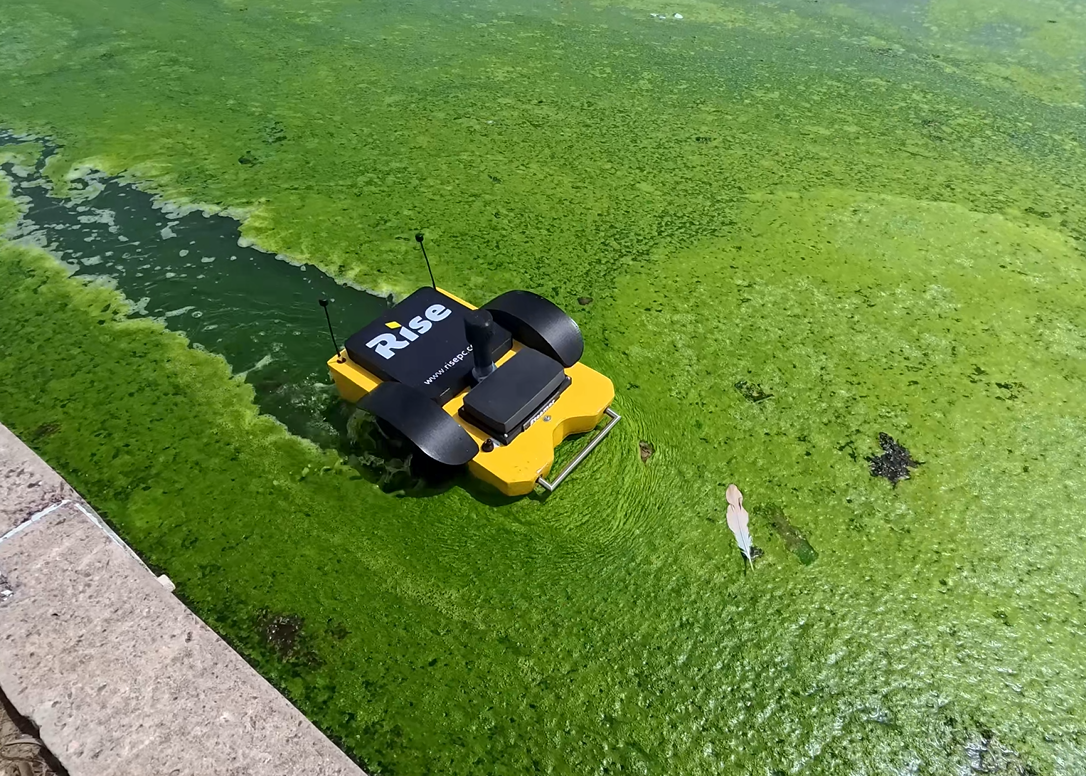
Rise PC's custom built USV cutting through tropical weed in waste water pond.
By Anna Goat April 3, 2026
We are so proud to have our investment into the development of a tropical bathymetric USV (unmanned service vehicle) secure matched funding from Advanced Manufacturing Growth Centre Ltd. Current wastewater survey methods are often not fit-for-purpose for the waste water conditions in tropical Northern Australia - high debris loads and organic matter.
By Anna Goat April 3, 2026
Client: Power Water Corporation
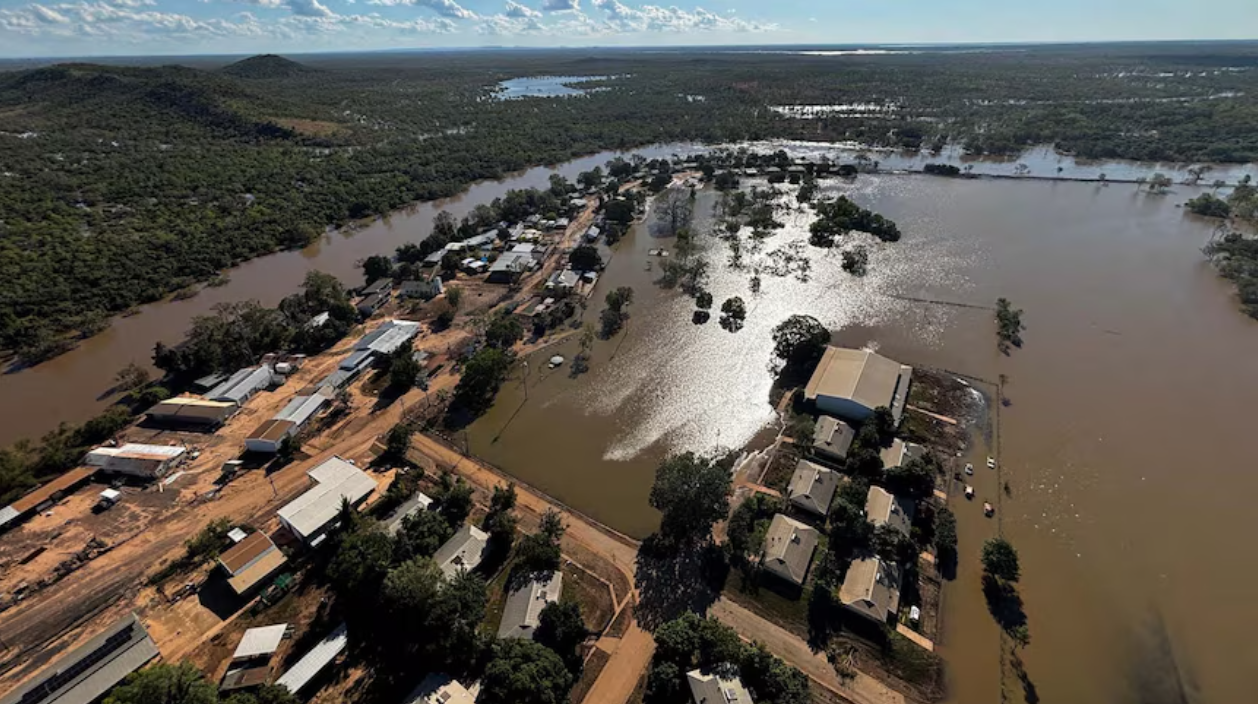
Aerial view of flooded river in NT during disaster assessments.
By Anna Goat April 2, 2026
Digital twins used in Northern Territory for disaster recovery