Tropical tough technology
CASE STUDIES: WSP surveys | Mine waste water
SERVICES: Aerial inspections | Bathymetric surveys | Orthomosaic mapping |
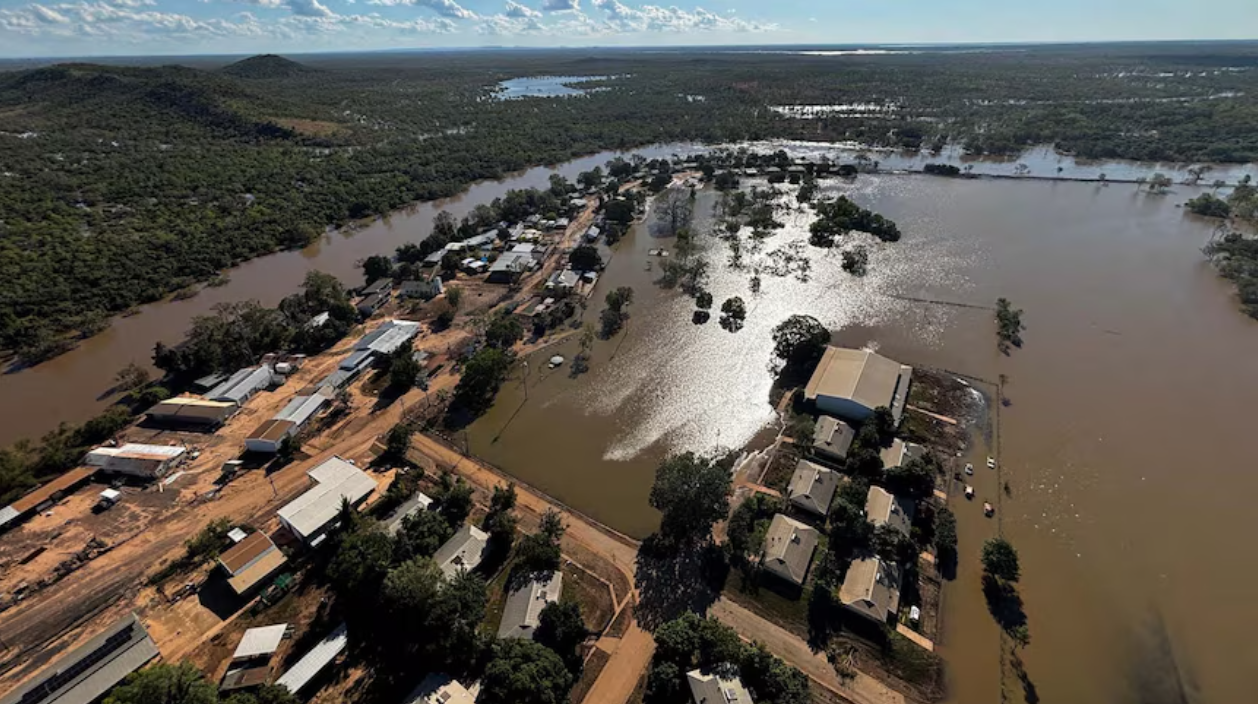
Waste stabilisation ponds (WSP) are the most widely used water water treatment infrastructure worldwide and are used extensively in Australia, including the whole of the Northern Territory which is served by 70 WSPs.
The most challenging issue for WSP management is sludge accumulation which affects the ponds hydrodynamic performance and treatment effectiveness. Bathymetric surveys (measuring the depth of a body of water and mapping the underwater terrain) are used to measure sludge accumulation. Traditional methods (using a stick on a boat) are inaccurate, unreliable, unsafe and labour intensive.
Rise were one of the first businesses to bring digital bathymetric USV technology to survey remote NT WSPs, and have been leading innovation in this area for the past five years.
In the NT WSPs have unique water conditions: high levels of non-organic debris from having no Inlet Works and high levels of organic matter from the hotter climate.
The majority of USV solutions on the market have been designed to operate in temperate climates and use outboard or impellers; which are unable to ‘chop’ denser tropical organic material, get clogged by larger debris and too large to be transported on light aircraft into remote communities.
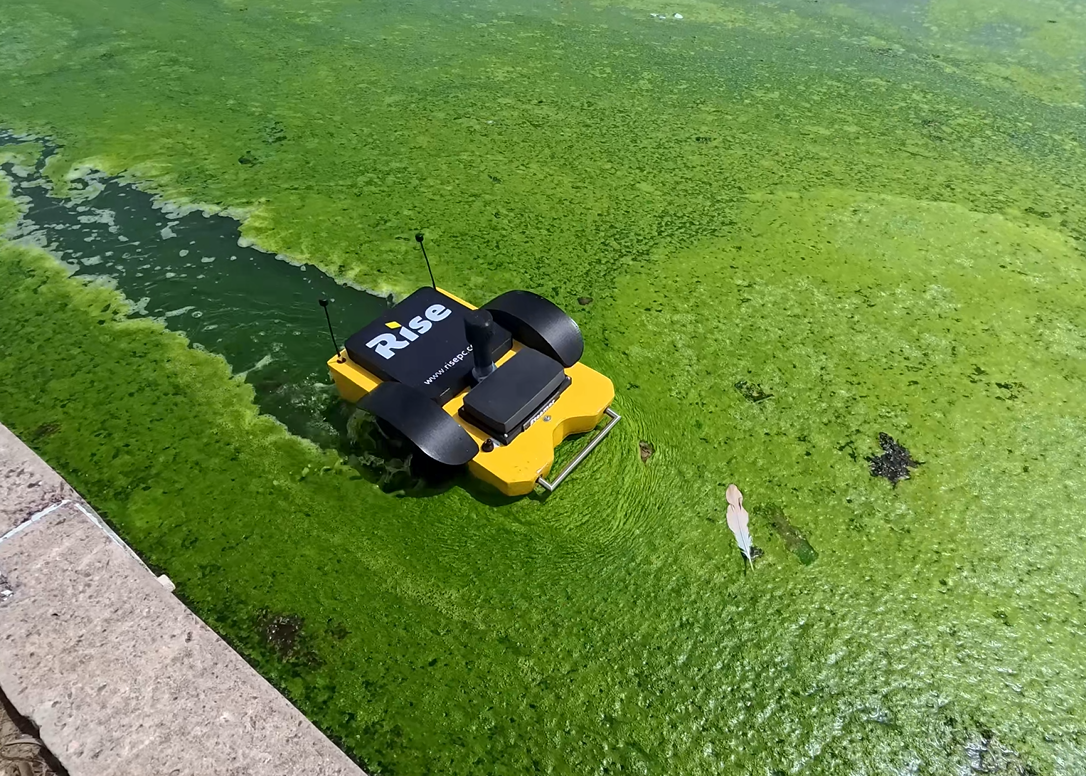
Rise have custom designed, built and successfully tested a simple, lightweight USV “Steamer” specifically to work in tropical, high debris, contaminated water bodies.
Rise's "Steamer" USV has potential applications for defence, utilities, agriculture and aquaculture across the global Tropics.
Key features include:
- Lightweight (7kg) only needs 1 person to carry and launch.
- No in-water propulsion, able to operate in shallow, high debris, contaminated water ways.
- Tropical tough designed, built and field tested in the Tropics.
- Cordless power tool battery to minimise overheating, readily available, transportable on light aircraft and remote car travel.
- Forward and rear facing cameras for ease of piloting.
- Sensor customisation options.
- Manual and automated on water piloting.
- Easy to clean and maintain with no in-water propellors.